AIA RUDC Symposium

Five RUDC Sessions

The RUDC Symposium sessions are presented within the broader 2026 ACSA Intersections Research Conference. AIA continuing education credit is being applied for—up to 1.5 hours per RUDC session and 7.5 hours across the five-session series.

FridayOctober 2 · CCNY Shepard Hall · 160 Convent Avenue, New York, NY 10031
Friday, October 29:00–10:30 AMThe City College of New York · Shepard Hall

What Urban Design Is Today: Productive Tensions, Expanding Roles, and the Disciplinary In-Between

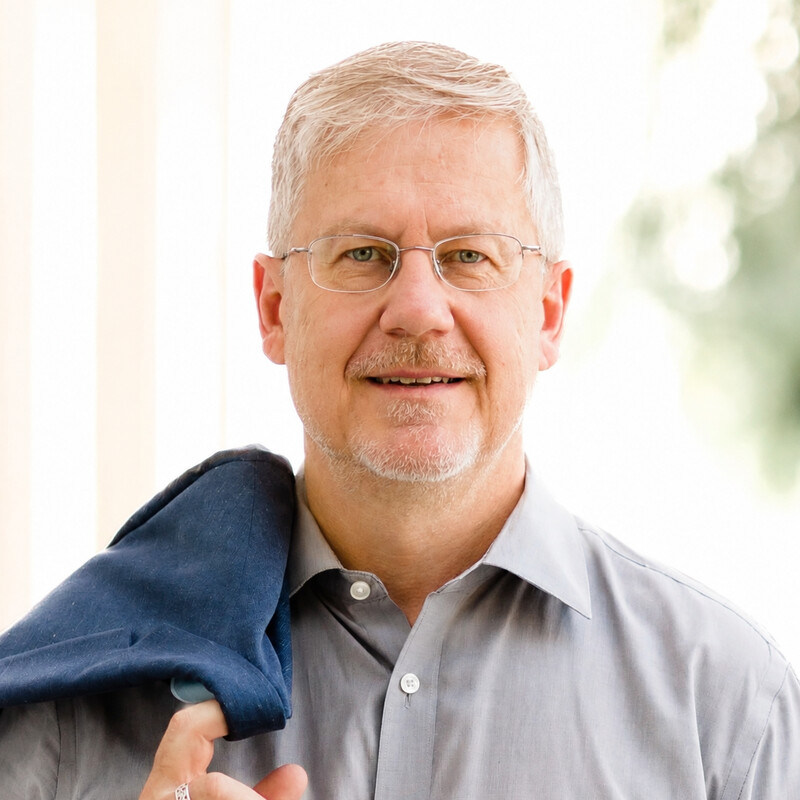
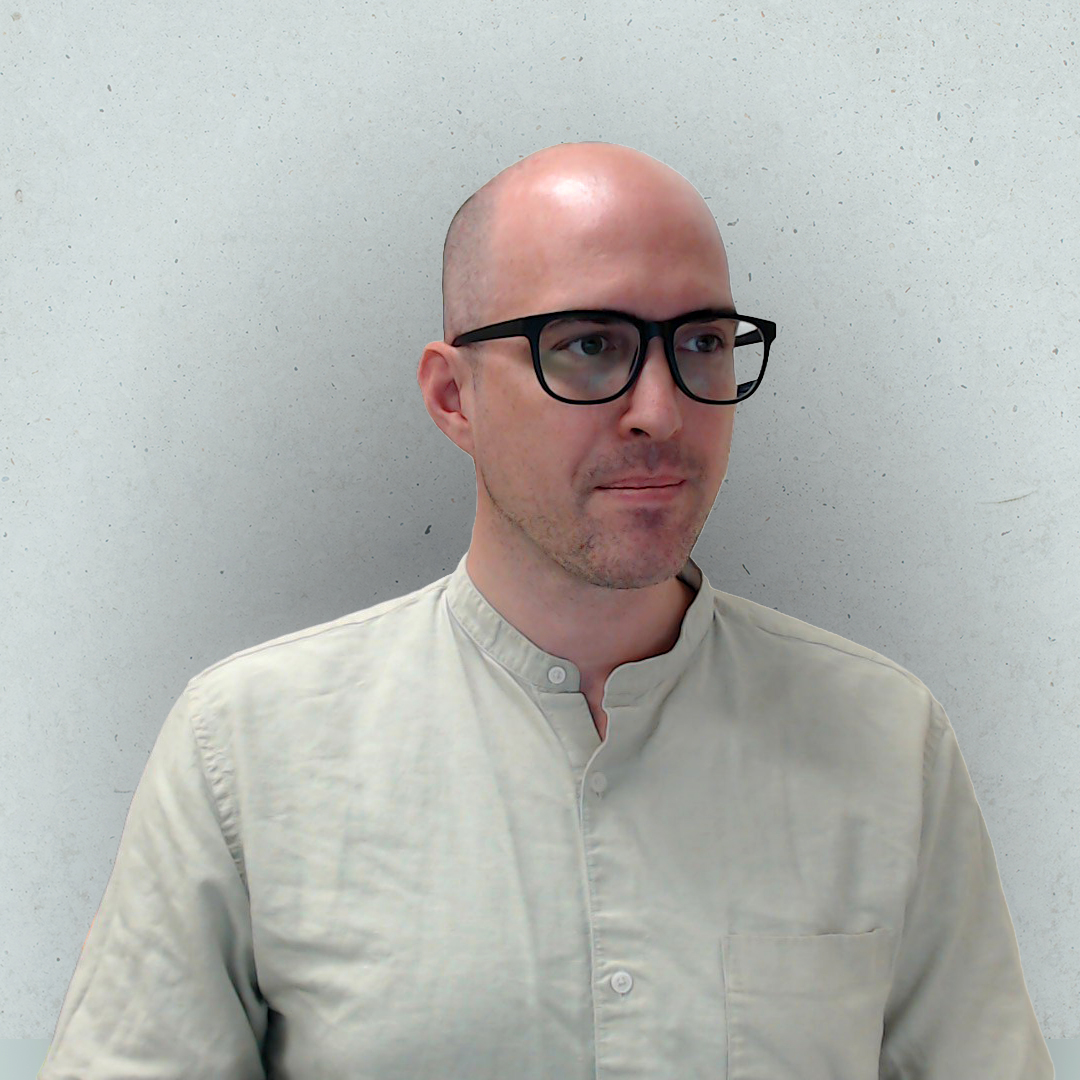
Moderated by Peter Darby, AIA · 1.5 AIA CE hours applied for

This opening session of the AIA Regional & Urban Design Knowledge Community (RUDC) Symposium frames urban design as an evolving civic practice operating between architecture, planning, landscape, policy, engagement, research, development, and implementation. At a time when cities are confronting climate risk, housing pressure, inequality, infrastructure transformation, and shifting public expectations, urban design’s ‘in-between’ role may be both its challenge and its greatest strength. The session explores how the field is defining its agency today, how the identity of the urban designer is expanding, and how urban design can more clearly demonstrate public value across scales, institutions, and communities.
Friday, October 211:00 AM–12:30 PMThe City College of New York · Shepard Hall

From Building to Territory: Public Space, Infrastructure, and Urban Transformation

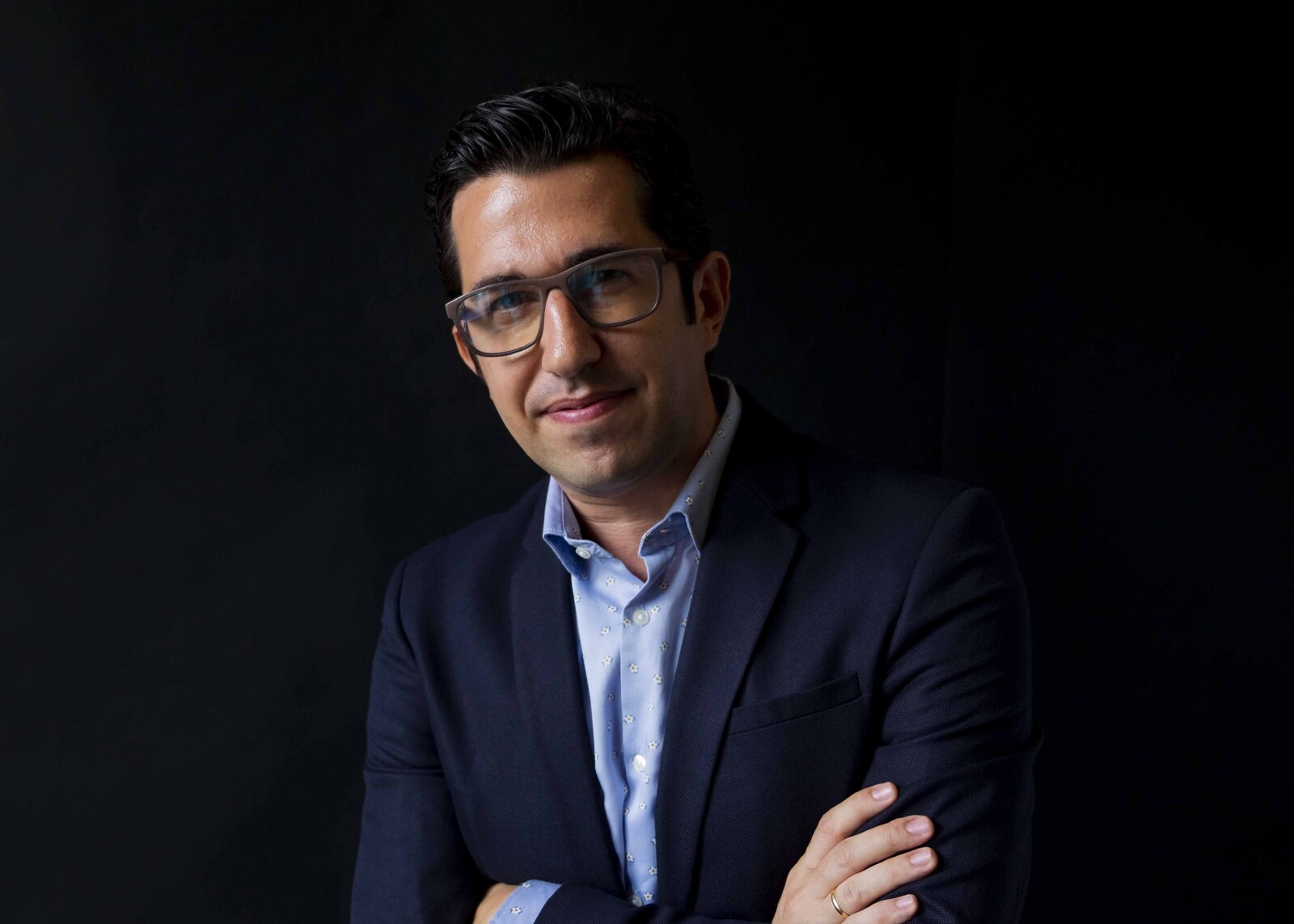
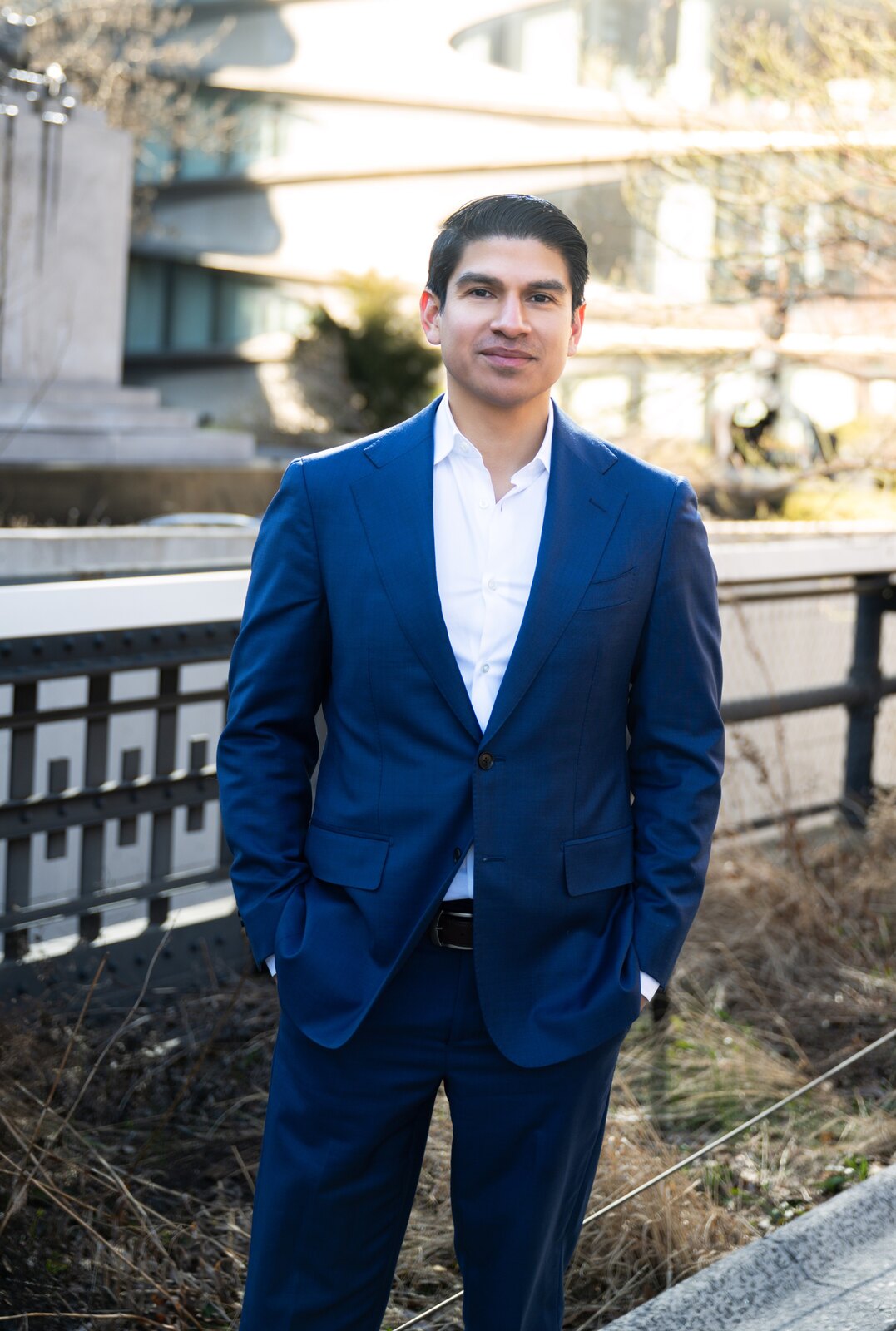
Moderated by Chris Stroik, AIA · 1.5 AIA CE hours applied for

This session examines how urban design translates between buildings, public spaces, districts, infrastructure systems, ecological frameworks, and territory. For practicing architects and urban designers, the question is not only how to design a successful project, but how that project participates in larger systems of mobility, public life, climate adaptation, governance, and long-term urban transformation. Through practice-based and research-informed perspectives, the session explores the ‘scale jump’ from building to city and from city to region, asking how urban design can connect project-scale decisions to broader civic, spatial, and environmental outcomes.

Friday, October 22:30–4:00 PMThe City College of New York · Shepard Hall

Pedagogy as Practice: Placekeeping, Territory, and Community-Based Methods

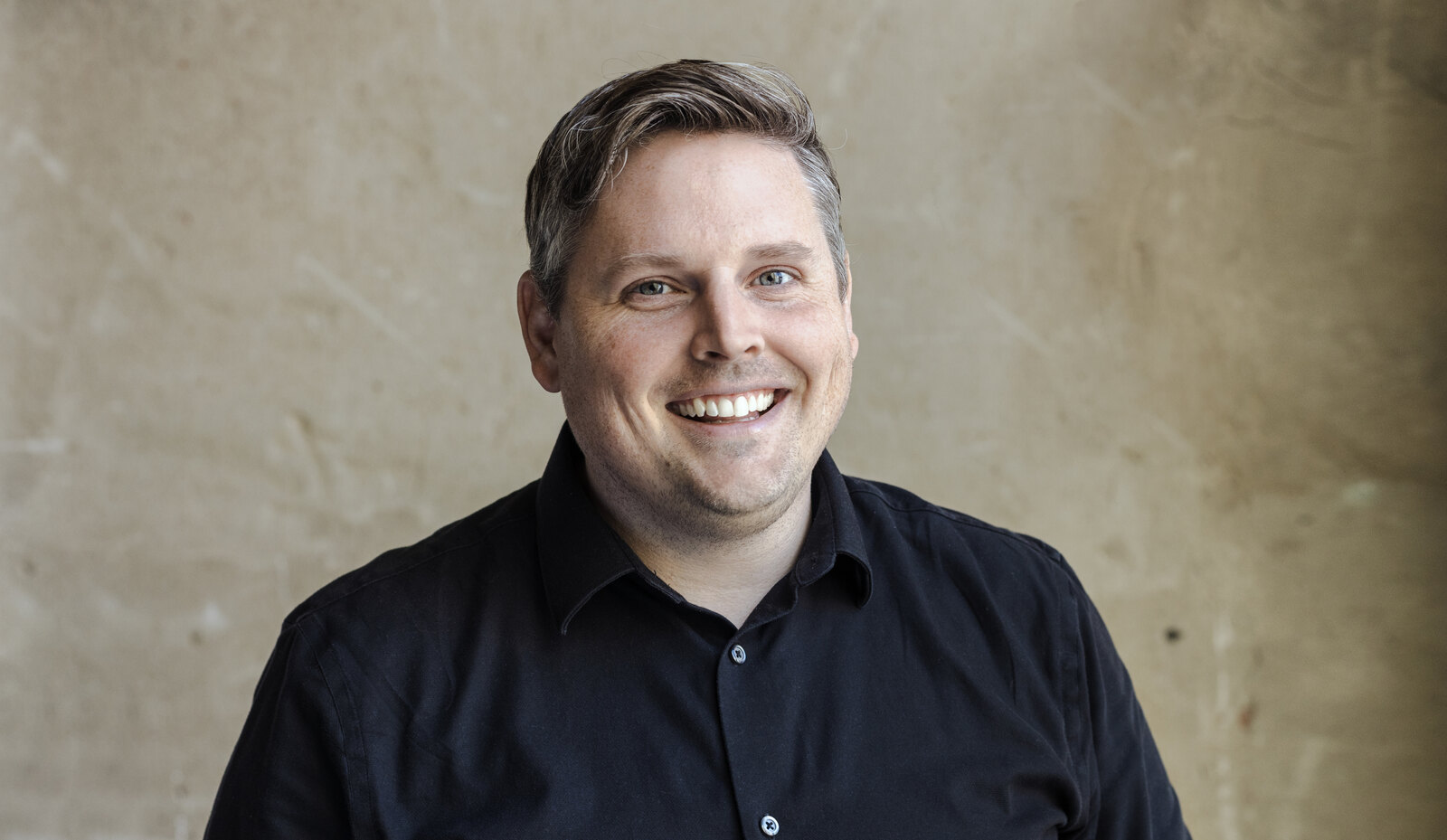
Moderated by Manuel Sanchez-Ruiz, AIA · 1.5 AIA CE hours applied for

This session reframes pedagogy as a source of transferable methods for urban design practice. Rather than focusing only on studio teaching, the session explores how placekeeping, cultural memory, community-based learning, territorial frameworks, public engagement, and cross-cultural collaboration can inform how urban designers work with communities and places. It asks how the tools of teaching and learning—listening, mapping, prototyping, storytelling, fieldwork, and reflection—can move into professional practice. The session connects education, research, and practice as mutually reinforcing ways to build trust, expand participation, and support more responsive urban design outcomes.

SaturdayOctober 3 · New York Institute of Technology · 16 West 61st Street, New York, NY 10023
Saturday, October 39:00–10:30 AMNew York Institute of Technology

Climate Infrastructure in Practice: Carbon, Urban Repair, and Stewardship

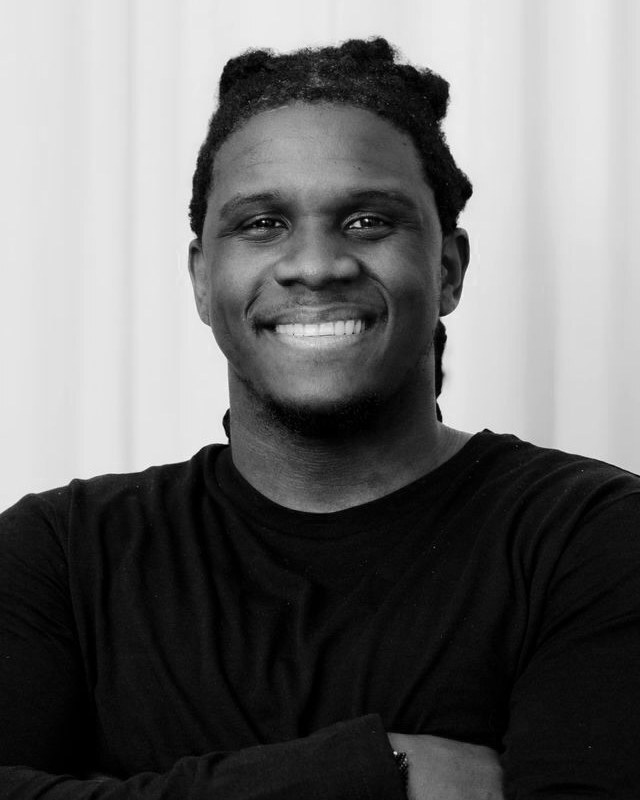
Moderated by Danielle DiLeo Kim, AIA · 1.5 AIA CE hours applied for

This session focuses on climate action as a practical urban design responsibility. Rather than treating climate as an abstract goal, the session explores how urban designers can work through streets, rights-of-way, soils, tree canopy, stormwater, public space, land reuse, carbon measurement, and ecological repair. Presentations will address the implementation of climate infrastructure, the measurement of urban carbon and environmental performance, and the long-term stewardship required to repair and maintain urban systems. The session asks what urban designers can actually draw, specify, measure, repair, manage, and advocate for as cities adapt to changing environmental conditions.

Saturday, October 311:00 AM–12:30 PMNew York Institute of Technology

Urban Design Methods for Implementation: Health, Performance, Housing, and Public Life

Moderated by Rex Cabaniss, AIA · 1.5 AIA CE hours applied for

This session shifts the tools conversation away from technology for its own sake and toward practical methods that help urban designers move from ideas to implementation. Presentations will explore how evidence, performance frameworks, health and social determinants, housing strategies, everyday urbanism, and public-life analysis can support better design decisions and more accountable outcomes. The session asks how urban design methods can help practitioners evaluate scenarios, communicate tradeoffs, measure impacts, and translate design intent into action. Its focus is on implementation tools that improve public value, support healthier communities, and connect design thinking to real urban change.

Session note: Session details are subject to change. Registration and the full conference schedule are maintained by ACSA.